

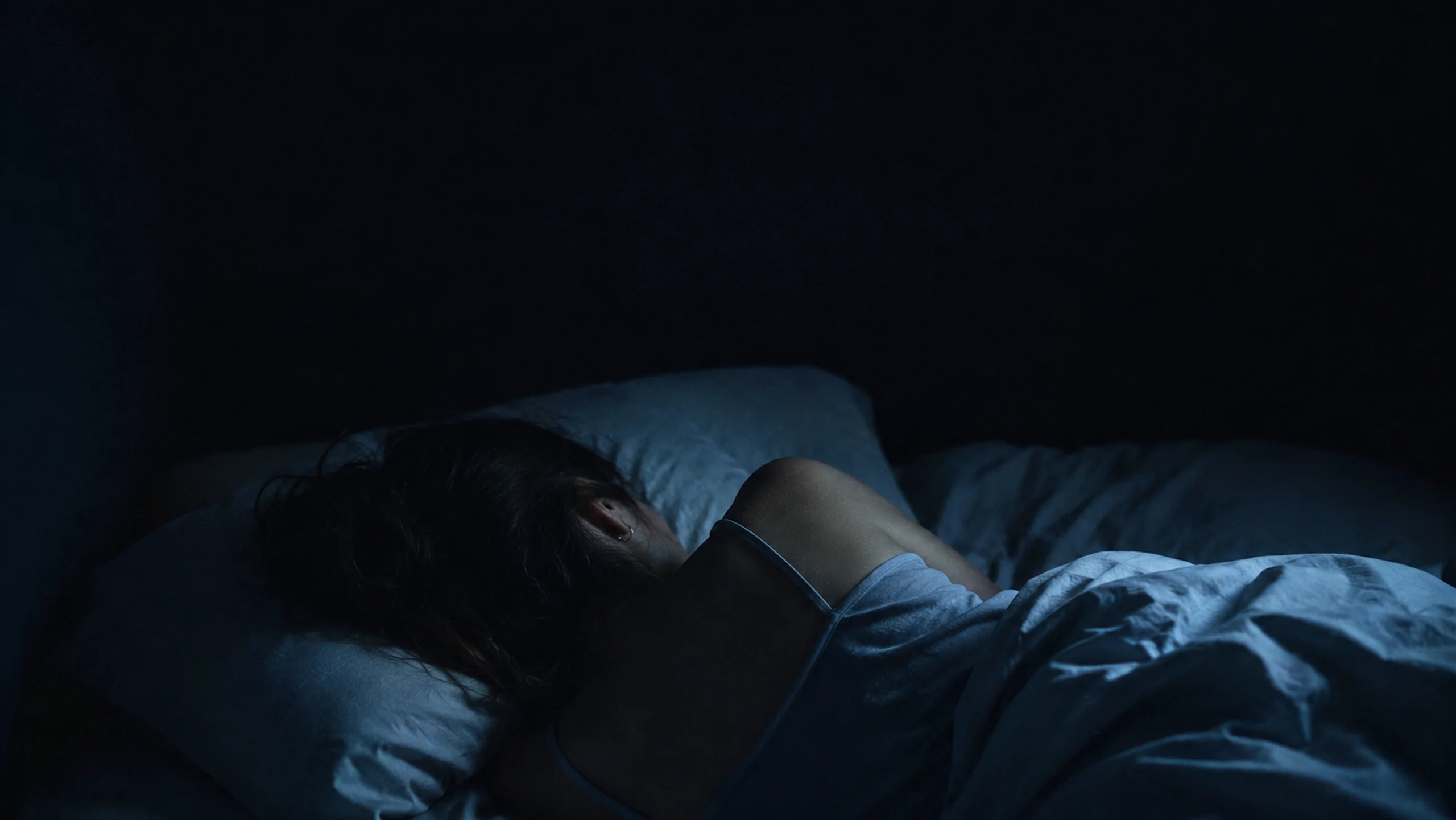
Апноэ во сне
← Все статьи

Сон

Апноэ во сне: самое частое нарушение дыхания, которое не диагностируют

Исследовательская статья · Автор: Дмитрий Русаков · ~12 минут чтения · Май 2026

Sleep apnea
← All articles

Sleep

Sleep apnea: the most common breathing disorder you've never been diagnosed with

Research article · Author: Dmitry Rusakov · ~12 min read · May 2026

Основана на рецензируемых научных публикациях и первичных исследованиях.

Вступление: миллиард человек, которые об этом не знают

По оценке международной группы под руководством Адама Бенджафилда, опубликованной в Lancet Respiratory Medicine в 2019 году, обструктивным апноэ во сне страдают около 936 миллионов взрослых в возрасте от 30 до 69 лет — почти миллиард человек. У 425 миллионов из них заболевание умеренной или тяжёлой степени.

И почти никто из них об этом не знает. По данным Американской академии медицины сна, около 80% случаев апноэ остаются недиагностированными — болезнь происходит во сне, и человек её попросту не видит.

Каждую ночь у этих людей десятки, а иногда и сотни раз останавливается дыхание. Дыхательные пути спадаются, воздух перестаёт поступать на десять секунд и дольше, кислород в крови падает, и мозг на мгновение выходит из сна, чтобы запустить дыхание заново. Утром человек этого не помнит. Он просто чувствует, что не выспался — и годами считает это нормой.

Храп здесь — лишь верхушка. Под ним лежит повторяющаяся ночная гипоксия, которая десятилетиями нагружает сердце, сосуды и мозг.

Часть 1. Что происходит в дыхательных путях

Механизм одного эпизода

Во сне мышцы, удерживающие верхние дыхательные пути открытыми, расслабляются. У части людей — из-за анатомии глотки, лишнего веса, возраста или положения тела — просвет сужается настолько, что воздух проходит лишь частично (гипопноэ) или перекрывается полностью (апноэ).

Грудная клетка продолжает двигаться, человек пытается вдохнуть, но воздух не идёт. Кислород в крови начинает снижаться. Через несколько секунд мозг регистрирует угрозу и выдаёт короткое микропробуждение: тонус мышц восстанавливается, дыхательные пути открываются, следует резкий вдох — часто с громким всхрапом — и сон продолжается. Затем цикл повторяется.

Тяжесть апноэ измеряют индексом апноэ-гипопноэ (AHI) — числом таких эпизодов в час сна:

  • 5–15 — лёгкая степень
  • 15–30 — умеренная
  • более 30 — тяжёлая

При тяжёлой форме дыхание прерывается более тридцати раз в час, то есть как минимум каждые две минуты всю ночь.

При чём тут кислород

Нормальная насыщенность крови кислородом — сатурация, SpO₂ — во сне держится около 95–100%. Во время эпизода апноэ она падает: иногда на несколько процентов, при тяжёлых формах — до 80% и ниже. После вдоха она быстро восстанавливается. И так всю ночь.

Этот рисунок — повторяющиеся провалы и подъёмы сатурации — называется перемежающейся гипоксией. Именно он запускает большую часть отдалённых последствий. Отдельная метрика, индекс десатураций (ODI), считает, сколько раз за час кислород падает на заметную величину.

Часть 2. Что делает с организмом ночная гипоксия

Разовое падение кислорода организм переносит легко. Опасен цикл: падение — восстановление, падение — восстановление, сотни раз за ночь, годами.

В фундаментальном обзоре «Pathophysiology of sleep apnea» (Physiological Reviews, 2010) Джером Демпси с соавторами описывает, как именно цикл «гипоксия — реоксигенация» работает как хронический повреждающий сигнал. Сходятся исследователи на трёх основных линиях.

Окислительный стресс. Каждое восстановление кислорода после провала сопровождается вспышкой свободных радикалов. Их хронический избыток повреждает внутреннюю выстилку сосудов и ведёт к эндотелиальной дисфункции — раннему шагу к атеросклерозу.

Симпатическая перегрузка. Каждое микропробуждение — это короткий выброс гормонов стресса и скачок давления и пульса. За ночь таких всплесков сотни. Со временем нервная система перестаёт «отпускать» давление даже днём.

Системное воспаление. Перемежающаяся гипоксия активирует факторы (в частности, HIF-1α) и запускает вялотекущее воспаление, которое затрагивает обмен веществ и стенки сосудов по всему телу.

Сложить это вместе — и становится понятно, почему апноэ редко остаётся «только проблемой сна». Это ночной механизм с дневными и многолетними последствиями.

Часть 3. Что показывают исследования

Давление

Связь апноэ с гипертонией первой убедительно показала когорта Висконсина. В проспективном исследовании Пола Пеппарда и Терри Янг (New England Journal of Medicine, 2000) 709 человек наблюдали четыре года. У людей с умеренной и тяжёлой формой (AHI ≥ 15) шансы развить артериальную гипертензию были выше почти втрое по сравнению с теми, у кого дыхание во сне было нормальным.

Сердце и смертность

Хосе Марин с соавторами (The Lancet, 2005) более десяти лет наблюдал большую группу мужчин. У мужчин с нелеченым тяжёлым апноэ частота смертельных сердечно-сосудистых событий составила 1,06 на 100 человеко-лет против 0,3 у здоровых — примерно втрое выше. При этом у пациентов, регулярно пользовавшихся CPAP, частота событий была близка к показателям здоровых людей.

Инсульт и обмен веществ

Та же висконсинская группа и ряд независимых когорт связывают нарушение дыхания во сне с повышенным риском инсульта, нарушений ритма сердца и диабета 2-го типа — независимо от ожирения и других известных факторов.

Дневные последствия

Раздробленный сон ухудшает внимание, память и скорость реакции. Эпидемиологические работы связывают нелеченое апноэ с заметным ростом числа дорожных аварий: за рулём человек с тяжёлой формой опасен примерно так же, как уставший или выпивший водитель.

Часть 4. Честный нюанс: чего исследования пока не доказали

Наблюдательные данные о связи апноэ с сердечно-сосудистыми болезнями сильны и согласованы. При этом наблюдение фиксирует корреляцию и оставляет открытым вопрос, предотвращает ли лечение апноэ инфаркты.

Прямую проверку дало крупное рандомизированное исследование SAVE (New England Journal of Medicine, 2016). 2717 пациентов с уже имеющейся сердечно-сосудистой болезнью и умеренным или тяжёлым апноэ разделили на две группы. Средний срок наблюдения — 3,7 года.

CPAP не снизил частоту сердечно-сосудистых событий: комбинированная конечная точка наступила у 17% в группе CPAP и у 15,4% в контроле — разницы нет. При этом CPAP заметно улучшил дневную сонливость, настроение и качество жизни.

Честный вывод на сегодня: апноэ устойчиво связано с сердечно-сосудистым риском. Способность лечения предотвращать инфаркты и инсульты доказательная база пока подтвердить не смогла. Твёрдо доказана другая польза — то, как человек себя чувствует и функционирует днём.

Часть 5. У кого стоит насторожиться

Апноэ редко даёт один яркий симптом. Чаще это набор косвенных признаков:

  • громкий привычный храп;
  • паузы в дыхании или «задыхающиеся» вдохи во сне — их обычно замечает партнёр, самому человеку они не видны;
  • сон, после которого нет ощущения отдыха, и дневная сонливость;
  • утренние головные боли, частые ночные пробуждения, потребность вставать в туалет;
  • плохо поддающаяся лечению гипертония и нарушения ритма сердца.

Факторы риска — лишний вес, мужской пол, возраст, большая окружность шеи, особенности анатомии глотки. Важная оговорка: апноэ встречается и у худых, и у молодых, и у женщин. Стереотип «полный храпящий мужчина средних лет» закрывает глаза на большую часть случаев.

Часть 6. Сатурация с запястья и её границы

Современные носимые устройства измеряют сатурацию и пульс прямо на запястье, по отражённому свету. Точность таких датчиков во сне проверяли против лабораторной полисомнографии: в исследовании Сары Браун с коллегами (Journal of Clinical Sleep Medicine, 2024) наручный оксиметр давал среднюю ошибку измерения сатурации за ночь менее 3%.

Мета-анализ по скринингу апноэ носимыми устройствами: у потребительских датчиков высокая чувствительность (около 93%) при умеренной специфичности (около 63%). Высокая чувствительность означает, что устройство почти не пропускает реальные случаи. Умеренная специфичность означает, что часть «тревог» окажется ложной.

Носимый датчик работает как инструмент скрининга. Диагноз он не ставит. Повторяющиеся ночь за ночью провалы сатурации и высокий индекс десатураций — это повод дойти до врача и обследоваться. Диагноз ставится по полисомнографии или валидированному домашнему тесту под контролем специалиста.

Апноэ остаётся недиагностированным у 80% людей ровно потому, что происходит во сне и невидимо изнутри. Датчик на запястье превращает невидимую ночную картину в видимый рисунок данных — и даёт человеку основание задать врачу правильный вопрос.

Заключение

Обструктивное апноэ во сне — самое распространённое нарушение дыхания и одно из самых незаметных. Его механизм понятен: повторяющаяся ночная гипоксия через окислительный стресс и симпатическую перегрузку бьёт по сосудам. Его связь с гипертонией, сердечно-сосудистыми болезнями и смертностью показана в крупных когортах. Доказанная польза лечения сегодня — это прежде всего вернувшаяся ясность днём и качество жизни.

Если признаки есть — храп с паузами, дневная сонливость, упрямая гипертония или датчик, который ночь за ночью показывает падения кислорода, — это достаточный повод дойти до врача и сделать нормальное исследование сна. Данные показывают направление. Диагноз ставит специалист.

Использованные источники

  1. Benjafield A.V. et al. (2019) — «Estimation of the global prevalence and burden of obstructive sleep apnoea» — The Lancet Respiratory Medicine, 7(8):687–698.
  2. Peppard P.E., Young T. et al. (2000) — «Prospective study of the association between sleep-disordered breathing and hypertension» — New England Journal of Medicine, 342(19):1378–1384.
  3. Marin J.M. et al. (2005) — «Long-term cardiovascular outcomes in men with obstructive sleep apnoea-hypopnoea with or without treatment with CPAP» — The Lancet, 365(9464):1046–1053.
  4. Dempsey J.A. et al. (2010) — «Pathophysiology of sleep apnea» — Physiological Reviews, 90(1):47–112.
  5. Lévy P. et al. (2015) — «Obstructive sleep apnoea syndrome» — Nature Reviews Disease Primers, 1:15015.
  6. McEvoy R.D. et al.; SAVE Investigators (2016) — «CPAP for Prevention of Cardiovascular Events in Obstructive Sleep Apnea» — New England Journal of Medicine, 375(10):919–931.
  7. Browne S.H. et al. (2024) — «Performance of a commercial smart watch compared to polysomnography reference for overnight continuous oximetry measurement» — Journal of Clinical Sleep Medicine, 20(9):1479–1488.
  8. American Academy of Sleep Medicine (2023) — национальный отчёт о бремени и недиагностированности обструктивного апноэ во сне.

Based on peer-reviewed scientific publications and primary research.

Introduction: a billion people who don't know it

According to a global analysis led by Adam Benjafield, published in Lancet Respiratory Medicine in 2019, around 936 million adults aged 30–69 have obstructive sleep apnea — nearly one billion people. Of those, 425 million have moderate or severe disease.

And almost none of them know it. According to the American Academy of Sleep Medicine, around 80% of sleep apnea cases go undiagnosed — the condition happens during sleep, invisible to the person experiencing it.

Every night, these people stop breathing dozens or even hundreds of times. The airway collapses, air stops flowing for ten seconds or longer, oxygen in the blood drops, and the brain briefly wakes to restart breathing. By morning, nothing is remembered. The person simply feels unrested — and has considered this normal for years.

Snoring is just the surface. Beneath it lies repeated nocturnal hypoxia, silently loading the heart, vessels, and brain for decades.

Part 1. What happens in the airway

The mechanics of a single episode

During sleep, the muscles that keep the upper airway open relax. In some people — due to throat anatomy, excess weight, age, or sleeping position — the passage narrows enough that air flows only partially (hypopnea) or stops completely (apnea).

The chest keeps moving, the person tries to breathe, but air doesn't come through. Blood oxygen starts to drop. After a few seconds the brain detects the threat and triggers a brief micro-arousal: muscle tone recovers, the airway opens, a sharp breath follows — often with a loud snort — and sleep continues. Then the cycle repeats.

Severity is measured by the apnea-hypopnea index (AHI) — the number of such episodes per hour of sleep:

  • 5–15 — mild
  • 15–30 — moderate
  • above 30 — severe

In severe cases, breathing is interrupted more than thirty times per hour — at least every two minutes throughout the night.

What oxygen has to do with it

Normal blood oxygen saturation (SpO₂) during sleep sits around 95–100%. During an apnea episode it drops: sometimes by a few percent, in severe cases down to 80% or below. After each breath it recovers quickly. This repeats all night.

This pattern — recurring dips and rises in saturation — is called intermittent hypoxia. It drives most of the downstream consequences. A separate metric, the oxygen desaturation index (ODI), counts how many times per hour oxygen falls by a significant amount.

Part 2. What nighttime hypoxia does to the body

A single drop in oxygen is something the body handles easily. What's dangerous is the cycle: drop — recovery, drop — recovery, hundreds of times a night, for years.

In the landmark review «Pathophysiology of sleep apnea» (Physiological Reviews, 2010), Jerome Dempsey and colleagues describe how the hypoxia–reoxygenation cycle acts as a chronic damaging signal. Researchers converge on three main pathways.

Oxidative stress. Each oxygen recovery after a dip is accompanied by a burst of reactive oxygen species — free radicals. Their chronic excess damages the inner lining of blood vessels and leads to endothelial dysfunction, an early step toward atherosclerosis.

Sympathetic overload. Each micro-arousal triggers a brief stress hormone surge and a spike in blood pressure and heart rate. Over the course of a night there are hundreds of these spikes. Over time the nervous system stops "letting go" of elevated pressure even during the day.

Systemic inflammation. Intermittent hypoxia activates factors including HIF-1α and sustains low-grade inflammation that affects metabolism and vessel walls throughout the body.

Put this together and it becomes clear why apnea rarely stays "just a sleep problem." It's a nighttime mechanism with daytime and decade-long consequences.

Part 3. What the research shows

Blood pressure

The link between apnea and hypertension was established most convincingly by the Wisconsin Sleep Cohort. In a prospective study by Paul Peppard and Terry Young (New England Journal of Medicine, 2000), 709 people were followed for four years. Those with moderate-to-severe disordered breathing (AHI ≥ 15) had nearly three times the odds of developing hypertension compared to those with normal sleep breathing.

Heart disease and mortality

José Marín and colleagues (The Lancet, 2005) followed a large group of men for over ten years. In men with untreated severe apnea, the rate of fatal cardiovascular events was 1.06 per 100 person-years versus 0.3 in healthy controls — roughly three times higher. Notably, in patients who used CPAP regularly, event rates were close to those of healthy individuals.

Stroke and metabolism

The same Wisconsin group and several independent cohorts link sleep-disordered breathing to elevated risk of stroke, cardiac arrhythmias, and type 2 diabetes — independent of obesity and other known risk factors.

Daytime consequences

Fragmented sleep impairs attention, memory, and reaction time. Epidemiological studies link untreated apnea to a significant increase in road accidents: a person with severe apnea behind the wheel is roughly as dangerous as a fatigued or drunk driver.

Part 4. An honest caveat: what research hasn't proven yet

Observational data linking apnea to cardiovascular disease are strong and consistent. But observational data establish correlation — they leave open the question of whether treating apnea actually prevents heart attacks.

A direct test came from the large randomized SAVE trial (New England Journal of Medicine, 2016). 2,717 patients with established cardiovascular disease and moderate-to-severe apnea were randomized to CPAP plus usual care, or usual care alone. Median follow-up was 3.7 years.

CPAP did not reduce cardiovascular events: the composite endpoint occurred in 17% of the CPAP group and 15.4% in controls — no significant difference. However, CPAP notably improved daytime sleepiness, mood, and quality of life.

The honest conclusion today: apnea is robustly associated with cardiovascular risk. The ability of CPAP to prevent heart attacks and strokes has not been confirmed by the evidence base. What is firmly proven is the other benefit — how a person feels and functions during the day.

Part 5. Who should pay attention

Apnea rarely presents with one obvious symptom. More often it's a cluster of indirect signs:

  • loud, habitual snoring;
  • pauses in breathing or gasping during sleep — usually noticed by a bed partner, invisible to the person themselves;
  • sleep that leaves no feeling of rest, and daytime sleepiness;
  • morning headaches, frequent nighttime awakenings, nocturia;
  • treatment-resistant hypertension and cardiac arrhythmias.

Risk factors include excess weight, male sex, older age, large neck circumference, and throat anatomy. An important caveat: apnea occurs in thin people, in young people, and in women. The stereotype of a "middle-aged overweight snoring man" obscures the majority of cases — and this is one reason the condition is so often missed.

Part 6. Wrist-based SpO₂ and its limits

Modern wearable devices measure oxygen saturation and heart rate at the wrist using reflected light (reflective photoplethysmography). Accuracy against laboratory polysomnography has been tested: in a study by Sara Browne and colleagues (Journal of Clinical Sleep Medicine, 2024), a wrist-worn oximeter produced a mean overnight saturation error of less than 3%.

A meta-analysis of wearable apnea screening showed high sensitivity (around 93%) with moderate specificity (around 63%). High sensitivity means the device rarely misses real cases. Moderate specificity means some alerts will be false positives.

A wearable sensor is a screening tool. It does not diagnose. Repeated nightly dips in saturation and a high desaturation index are reason to calmly see a doctor and get evaluated. Diagnosis is made by polysomnography or a validated home sleep test supervised by a specialist.

Apnea remains undiagnosed in 80% of people precisely because it happens in sleep, invisible from the inside. A wrist sensor turns an invisible nightly pattern into visible data — and gives a person grounds to ask their doctor the right question. The rest is the clinician's job.

Conclusion

Obstructive sleep apnea is the most common breathing disorder and one of the most invisible. Its mechanism is well understood: repeated nocturnal hypoxia, through oxidative stress and sympathetic overload, damages the vascular system. Its association with hypertension, cardiovascular disease, and mortality has been shown in large cohorts. The proven benefit of treatment today is primarily restored daytime clarity and quality of life.

If the signs are there — snoring with pauses, daytime sleepiness, stubborn hypertension, or a sensor that night after night shows oxygen dips — that's reason enough to see a doctor and get a proper sleep study. The data point the direction. The diagnosis is the specialist's to make.

Sources

  1. Benjafield A.V. et al. (2019) — «Estimation of the global prevalence and burden of obstructive sleep apnoea» — The Lancet Respiratory Medicine, 7(8):687–698.
  2. Peppard P.E., Young T. et al. (2000) — «Prospective study of the association between sleep-disordered breathing and hypertension» — New England Journal of Medicine, 342(19):1378–1384.
  3. Marin J.M. et al. (2005) — «Long-term cardiovascular outcomes in men with obstructive sleep apnoea-hypopnoea with or without treatment with CPAP» — The Lancet, 365(9464):1046–1053.
  4. Dempsey J.A. et al. (2010) — «Pathophysiology of sleep apnea» — Physiological Reviews, 90(1):47–112.
  5. Lévy P. et al. (2015) — «Obstructive sleep apnoea syndrome» — Nature Reviews Disease Primers, 1:15015.
  6. McEvoy R.D. et al.; SAVE Investigators (2016) — «CPAP for Prevention of Cardiovascular Events in Obstructive Sleep Apnea» — New England Journal of Medicine, 375(10):919–931.
  7. Browne S.H. et al. (2024) — «Performance of a commercial smart watch compared to polysomnography reference for overnight continuous oximetry measurement» — Journal of Clinical Sleep Medicine, 20(9):1479–1488.
  8. American Academy of Sleep Medicine (2023) — National report on the burden and underdiagnosis of obstructive sleep apnea.